
Field Story | Northern Ontario
Fifteen Miles From Armstrong
Ten meetings in two and a half days. One self-funded journey north. A road closure stopped the team, but not the work.

Fifteen miles south of Armstrong, officers from Ontario's Ministry of Natural Resources told the team to turn around.
Helicopters moved overhead. Fire damage was visible from the road. Ahead, Armstrong had no functioning hydro or internet, the officers told them.
The planned charter flight into Armstrong had already been stopped after shifting winds closed air access. Ground transportation had been uncertain from the beginning, and the team had been warned that much of the local infrastructure was out.
With the charter grounded, Miles General, Joe Day, Dan, and Derek continued north by road. They drove until the authorities told them they could go no farther.
Turning back was the only responsible decision. It also made the central challenge tangible: when flights stop, roads become unsafe, and communications fail, essential support becomes harder to reach.
How It Began
The Request
The journey began with a request from the North: help communities connect with recovery programs and build the longer-term support needed to rebuild.
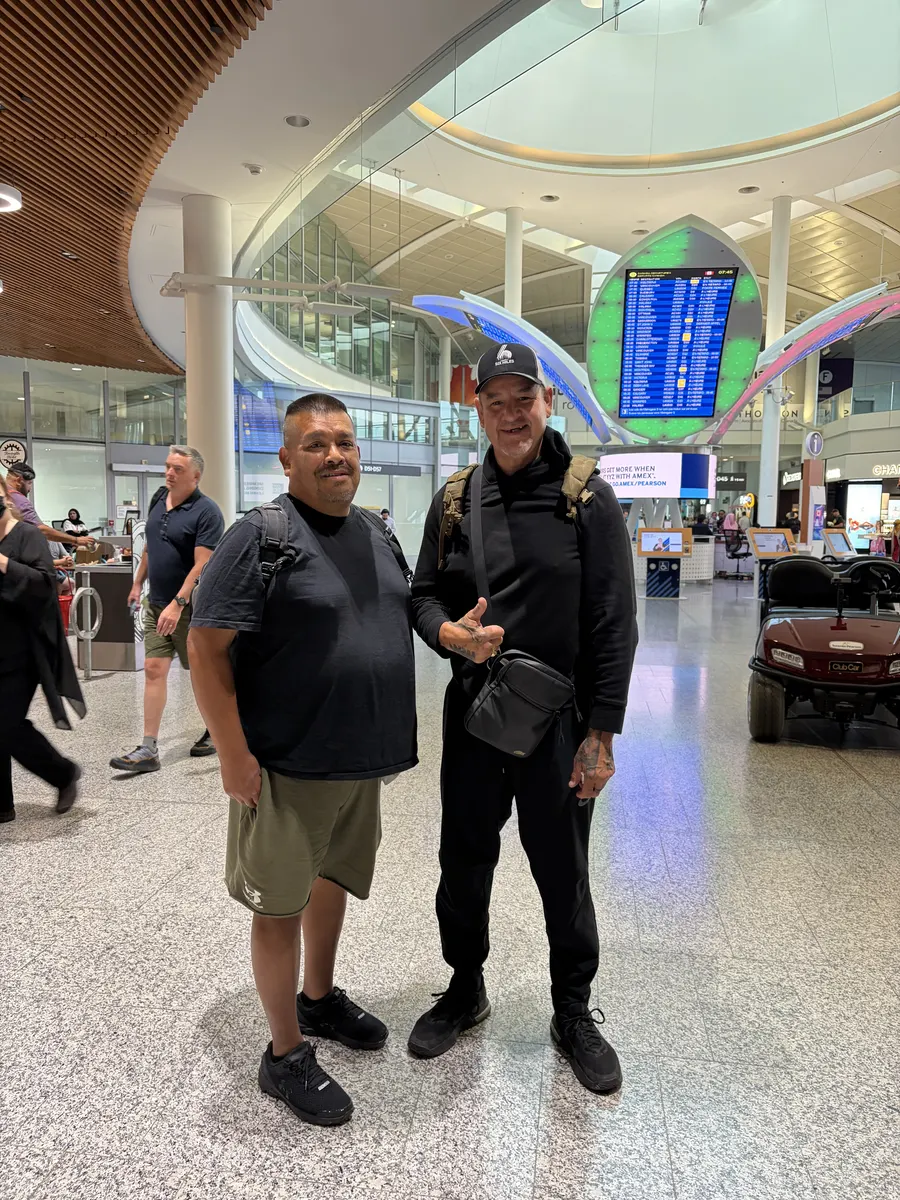
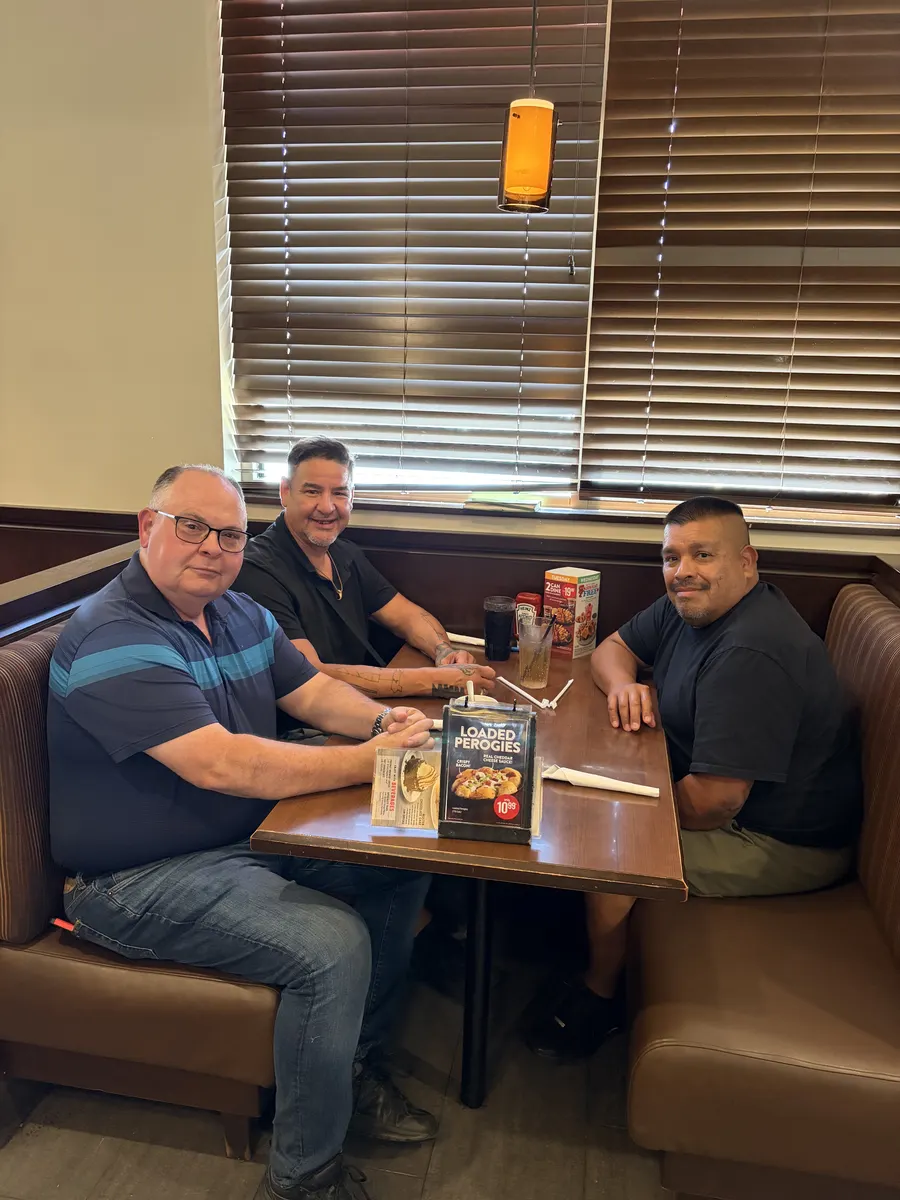
Nation Building Alliance helped facilitate the outreach and coordinate the journey. Miles travelled on behalf of NBA and SixMiles, with Derek beside him.
Joe Day of DayCon Limited, an Indigenous business owner with experience in excavation and site development, joined the field effort. Dan of Beyond Custom Contracting brought experience in building, construction, and project management.
They did not travel north with a finished answer. They went to listen to the people already doing the work and understand where SixMiles and NBA could be useful.
They financed the journey themselves. They stepped away from their businesses and responsibilities and accepted both the financial cost and the physical uncertainty of travelling toward a region under wildfire pressure.
Listening First
Ten Meetings
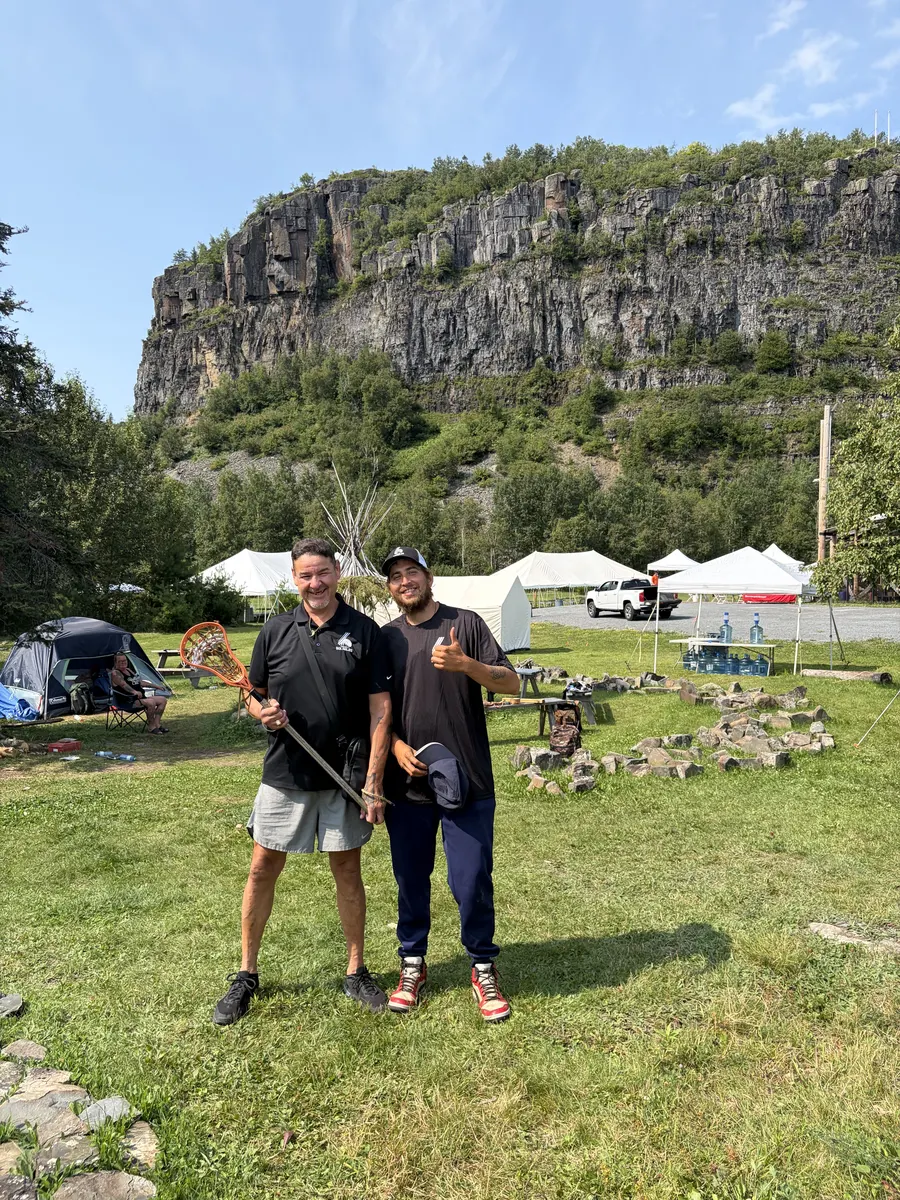
Miles and Derek had two and a half days on the ground. They used that time to complete ten meetings with First Nations, Indigenous organizations, and a correctional centre.
The conversations included Nishnawbe Aski Nation, Matawa First Nations Management, Fort William First Nation, and the Thunder Bay Indigenous Friendship Centre.
The schedule was compressed, but the conversations were not rushed. Most lasted approximately 90 minutes. Several ran longer. Only one ended after 20 minutes.
The subjects were immediate and connected: mental health, addiction recovery, housing, courts, corrections, and the difficult work of helping people return home with support.
These were not completed projects or signed agreements. They were the beginnings of relationships, and each one now requires follow-through.
The Barrier
The Last Fifteen
The road to Armstrong gave physical form to the challenges discussed in those meeting rooms.
When flights are grounded, roads become hazardous, and power and communications fail, distance becomes more than geography. It can determine whether someone reaches treatment, whether support reaches a community, and whether an urgent need receives a timely response.
The team encountered those barriers during one journey. For people living in the North, they are part of the conditions that services and governments must be prepared to meet.
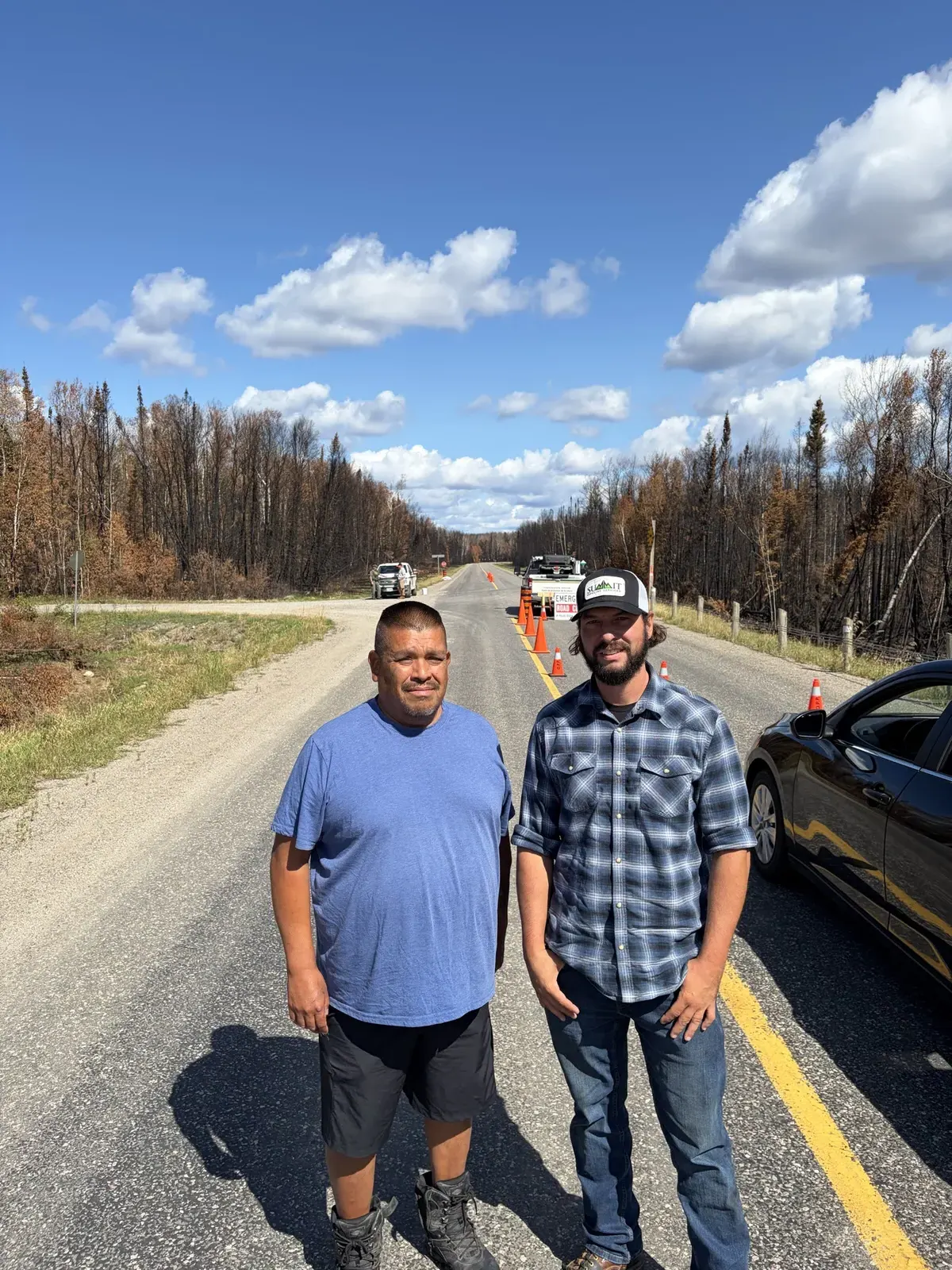
The team respected the order to turn back. Continuing would not have helped the community or the people working to keep the route safe.
Support cannot be called accessible if communities cannot reliably reach it, or if it cannot reliably reach them.
The Responsibility
What Follows
After returning, Miles described the purpose of the journey in simple terms: boots on the ground, listening and learning.
SixMiles and Nation Building Alliance now have a clear responsibility.
They must follow up with the nine contacts interested in recovery services, continue the two justice and reintegration conversations, advance the three housing discussions, and work toward reaching Armstrong safely when access can be arranged.
The next stage belongs to the communities that shared their priorities. Governments, Indigenous organizations, foundations, recovery providers, builders, and practical partners can help remove the barriers between those priorities and action.
Ten meetings opened new conversations. The road to Armstrong revealed how difficult meaningful support can be to reach.
They stopped fifteen miles short of Armstrong.
Their commitment to return did not.